







Search Results for: pour-over grind setting
How to determine the grind size for pour-over coffee? Does a larger setting on an automatic grinder mean finer grounds? Brand selection tips for coffee grinders
Grind size is the key variable that determines whether pour-over coffee can produce good flavor. Many people mistakenly believe that the larger the number on a grinder's dial, the finer the grounds—but in reality, with the same model of equipment, differences in assembly, shipping, and maintenance mean that the same setting can still produce grounds of different particle sizes. Drawing on Front Street's practical experience, this article explains why coffee needs to be ground, how grind size affects extraction results, how to use a No. 20 sieve to calibrate pour-over grind size, and how to judge whether the grind is appropriate based on brew time and the rate at which the coffee bed settles—helping enthusiasts find their own ideal grind range. [more…]

Coffee Bean Grind Setting 1 to 10 Coarseness Guide | Pour-Over Coffee Grind Standards and Adjustment Methods Reference
Grind size directly determines the extraction direction of a cup of coffee: too fine a grind easily leads to over-extraction and bitterness, while too coarse a grind may result in under-extraction and a weak, bland flavor. Many grinders on the market mark their settings from 1 to 10, but the corresponding coarseness varies across different models. A smaller number usually means a finer grind, but in practice, you need to judge based on your brewing method. Drawing on the hands-on experience of Front Street Coffee, this article sorts out the grinding ranges for common brewing methods such as espresso, pour-over, siphon, and French press, explains whether medium-light roast and medium-dark roast coffee beans are better suited to a medium-fine or medium-coarse grind for pour-over, and provides specific steps for using a 0.85mm No. 20 sieve to check the passing rate, helping coffee enthusiasts find the right grinding parameters. [more…]
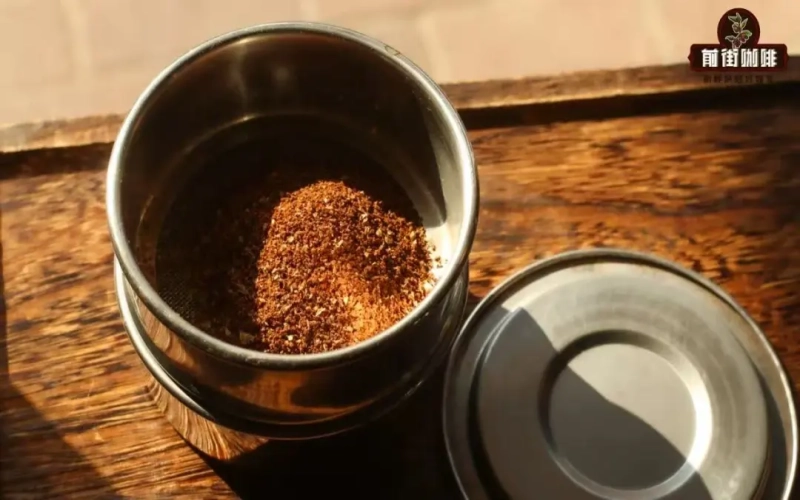
How Do Coffee Bean Density and Brittleness Affect Grind Size? A Guide to Choosing Grind Settings for Pour-Over Coffee
Many pour-over enthusiasts have discovered when testing ground coffee with a sieve that the same grind setting produces different passing rates for different bean varieties. Front Street Coffee recently received similar questions: why does particle size vary under the same grind setting? The core reason lies in the differences in bean density and brittleness—high-altitude, light-roasted beans tend to be harder and denser, producing fewer fines during grinding; low-altitude, dark-roasted beans are more brittle and prone to crumbling into fines. Only after understanding this principle can one adjust the grind size for different beans. This article combines medium-light roasted beans such as Front Street Yirgacheffe Gotiti, Front Street Ethiopia Hachira, and Front Street Granja Geisha, as well as medium-dark roasted beans such as Front Street PWN Golden Mandheling, Front Street Brazil Queen's Estate Yellow Bourbon, and Front Street Jamaica Blue Mountain No. 1, to provide specific EK43 settings and No. 20 sieve passing rate recommendations, helping coffee enthusiasts achieve consistent results. [more…]
How to Fine-Tune the EK43 Grinder Settings? A Detailed Guide to Quickly Verifying Pour-Over Coffee Grind Size
Grind size is the key variable that determines the success or failure of a cup of coffee extraction. If the grounds are too fine, they tend to over-extract and become bitter; if the grounds are too coarse, the extraction is insufficient and the flavor is weak. Starting from the practical experience of Front Street Coffee, this article systematically explains the mechanism by which grind setting affects extraction efficiency, sorts out the grind ranges corresponding to different brewing methods such as espresso, pour-over, and French press, and focuses on explaining the setting of the EK43s grinder in the pour-over scenario—medium-light roast beans are recommended at 10, and medium-dark roast beans at 10.5. It also introduces the specific operation of using a 0.85mm No. 20 sieve for sifting verification, helping coffee enthusiasts quickly judge and correct the grind size, so that every cup of coffee can consistently present the ideal flavor. [more…]
How to Interpret Coffee Grind Settings from 1-10? A Detailed Guide to EK43 Grinder Calibration and Pour-Over Coarseness Selection
Grind size has a decisive influence on the final flavor of a cup of coffee: if the grounds are too fine, over-extraction is likely; if too coarse, under-extraction may occur. Faced with the 1-to-10 settings on a grinder, many coffee enthusiasts don't know how the numbers correspond to coarseness, nor are they clear about what grind level to choose for different brewing methods. Drawing on the practical experience of Front Street Coffee, this article systematically sorts out the standards for coffee grind size, the appropriate grind levels for common brewing methods, and the reference values for the EK43 grinder. It also explains in detail how to use a 0.85mm No. 20 sieve for sieve verification, helping you accurately judge and adjust grind size at home, so that every cup of coffee can consistently present its ideal flavor. [more…]
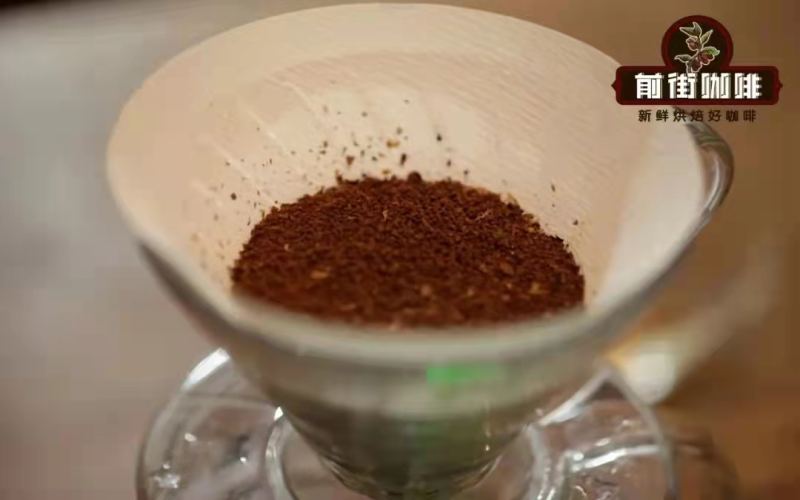
How to determine the grind size (coarseness/fineness) for pour-over coffee beans? How do you adjust the settings on a coffee grinder?
Among the parameters of pour-over coffee, Front Street believes that grind size is the hardest to master. It doesn't have intuitive data like water temperature or coffee-to-water ratio, nor can it be compensated for through practice like technique. As a result, many beginners are stumped by grind size. So Front Street will teach you how to get grind size right. First, I [more…]
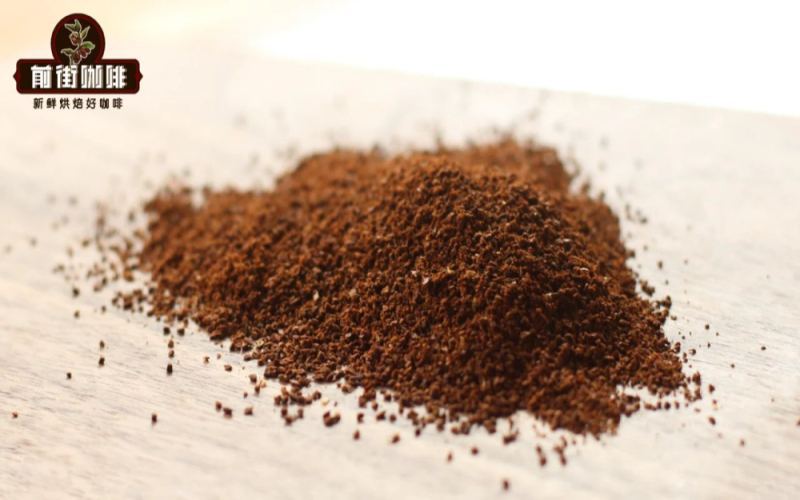
How Does Coffee Grind Size Affect Extraction? A Complete Analysis of Pour-Over and Espresso Parameter Adjustments
Grind size is one of the key variables determining coffee flavor. The finer the particles, the larger the contact area between hot water and coffee grounds, and the greater the resistance to extraction, which tends to prolong extraction time and increase the extraction yield; the coarser the particles, the opposite is true, and underextraction becomes likely. Different brewing devices have significantly different grind requirements, ranging from the flour-like extremely fine powder for a Turkish pot to the coarse particles for a French press, a very wide span. This article systematically sorts out the relationship between grind size, extraction time, and extraction yield, gives reference grind ranges for espresso and pour-over coffee, and, combined with Front Street Coffee's production experience, explains how to find a grind setting that suits you according to roast level and bean hardness, while also reminding you of the importance of daily maintenance of the grinder burrs. [more…]
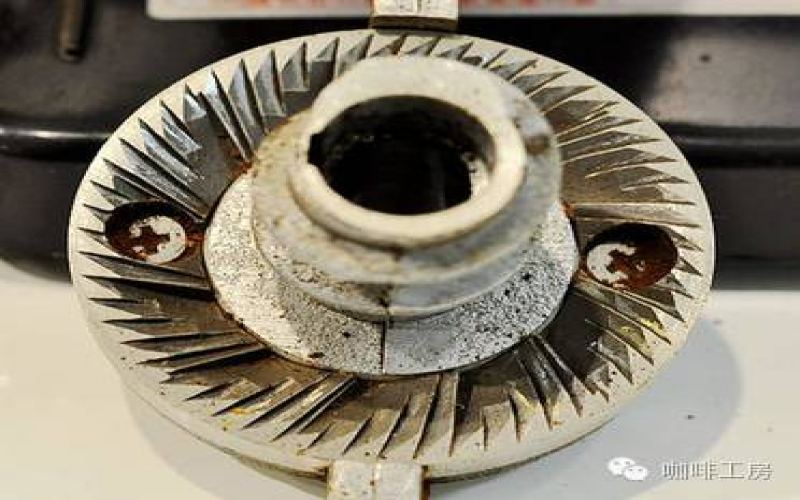
Coffee Grinder Buying Guide: How to Choose Between Flat Burrs, Conical Burrs, and Ghost Teeth, Plus a Full Analysis of Common Models' Grind Settings and Extraction
Faced with the dazzling array of coffee grinders on the market, many coffee enthusiasts find themselves paralyzed by choice. In truth, the coffee world has never had a single standard—different burr sets each have their strengths and weaknesses. Starting from burr types, this article takes a deep dive into the structural differences between flat burrs, conical burrs, and ghost-tooth burrs, along with their real-world impact on particle shape, extraction results, and final flavor. It also includes practical grind-setting parameters for commonly used models such as the Fuji Royal, Feiying, and Zheng Huang Hang, helping you find a grinding approach that suits your brewing method and taste preferences. [more…]
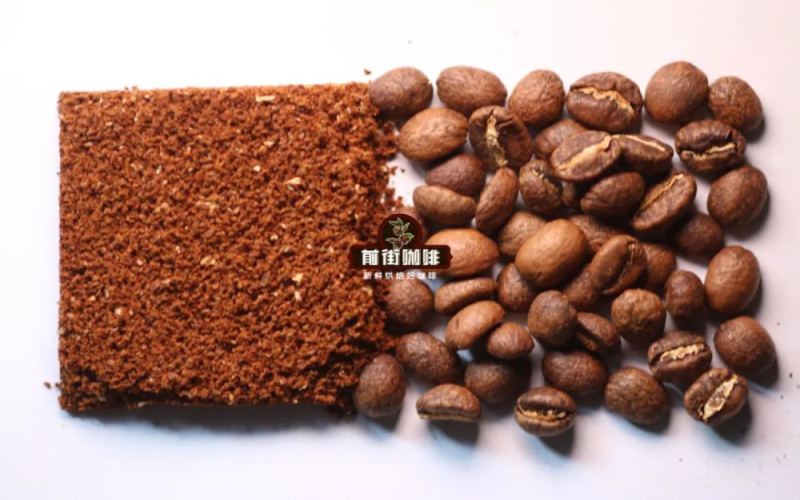
Pour-Over Coffee Grind Size Selection Guide: Three Methods for Judging Grind and the Practical Application of Particle Size Distribution
How should you determine the grind size for pour-over coffee? This is the first challenge many coffee enthusiasts encounter when getting started. This article systematically introduces three methods for judging grind size—visual analogy, grinder setting reference, and sieve calibration—analyzing the pros, cons, and applicable scope of each, and further introduces the advanced concept of "particle size distribution" to help understand how grind uniformity affects extraction. At the same time, Front Street Coffee, drawing on its own brewing framework, shares how to combine visual observation, data, and brewing tests to find the pour-over grind size that suits you in a more practical way. [more…]
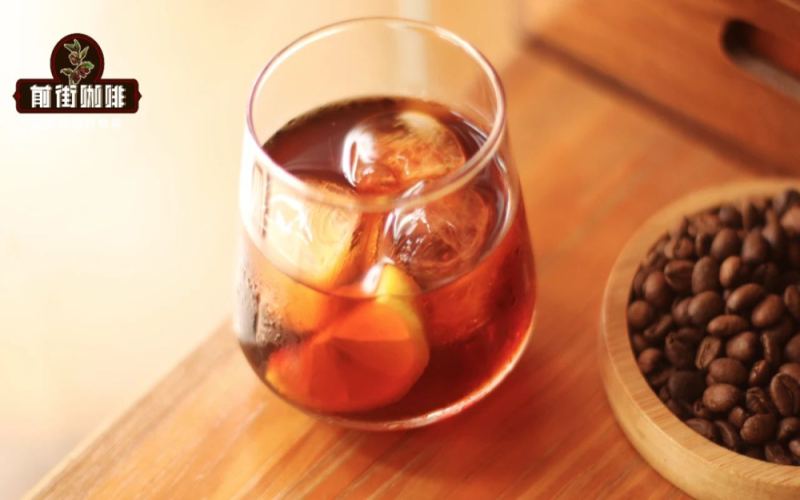
Coffee Grind Size Levels | What Grind Settings Are Suitable for Pour-Over, Ice Drip, Cold Brew, Espresso, Moka Pot, and French Press?
For more specialty coffee knowledge, please follow our WeChat official account: Front Street Coffee (FrontStreet Coffee). No matter what equipment is used to brew coffee, the coffee beans need to be ground, and the purpose of this is to allow the coffee's flavor substances to dissolve more quickly. Of course, not all of the coffee's soluble [more…]
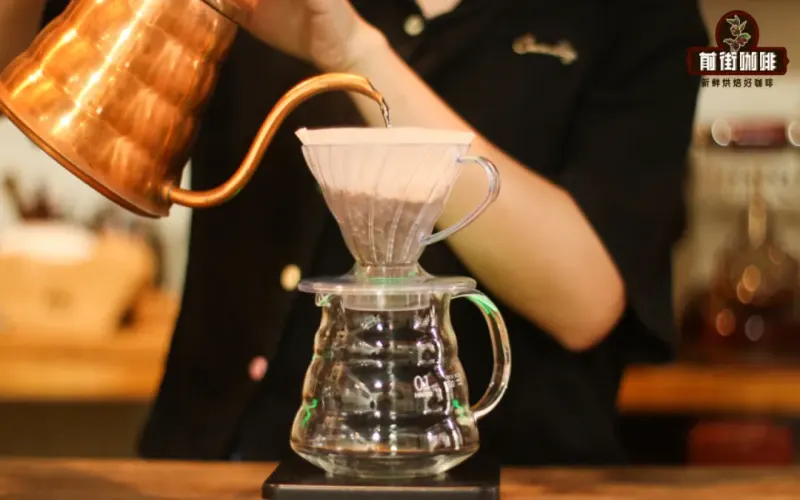
A Complete Guide to Pour-Over Coffee Grind Parameters: Differences in Water Temperature, Coffee-to-Water Ratio, and Grind Size Between Dark and Light Roasts
When brewing pour-over coffee, water temperature, water volume, grind size, and time are the four key factors that determine extraction. Among them, grind size is often the most easily misjudged because it cannot be directly observed—too fine or too coarse will throw the flavor off balance. This article starts with methods for judging grind size, explaining how to calibrate it using a No. 20 sieve, drawdown speed, and taste feedback, and compiles the three grind settings Front Street Coffee uses for light-roasted, anaerobic, and dark-roasted beans, including their respective passing rates through the sieve, water temperatures, and coffee-to-water ratios, while also offering grind adjustment advice for iced pour-over, helping enthusiasts build a stable, reusable brewing framework. [more…]
Coffee Grind Size Comparison Guide: A Detailed Explanation of Electric Grinder Settings, Particle Diameter, and Brewing Compatibility
Grind size is the key variable that determines the success or failure of coffee extraction, and different brewing devices have significantly different requirements for particle diameter. This article systematically sorts out the corresponding grind settings from French press to espresso machine, introduces the industry-recognized cupping standard and the No. 20 sieve pass rate as calibration references, and provides specific scale references for the EK43s grinder. Whether you prefer immersion or pour-over, you can find suitable grind parameters here. The article also specifically reminds readers that coffee bean density and roast level will affect the actual particle coarseness at the same setting, so it is recommended to repeatedly confirm with the same beans. Several Front Street Coffee beans are also used as examples throughout to help readers understand the logic of grind adjustment more intuitively. [more…]
Analysis of the Reasons for Fast Pour-Over Flow Rate with Anaerobic Process Coffee Beans and Grind Adjustment Solutions
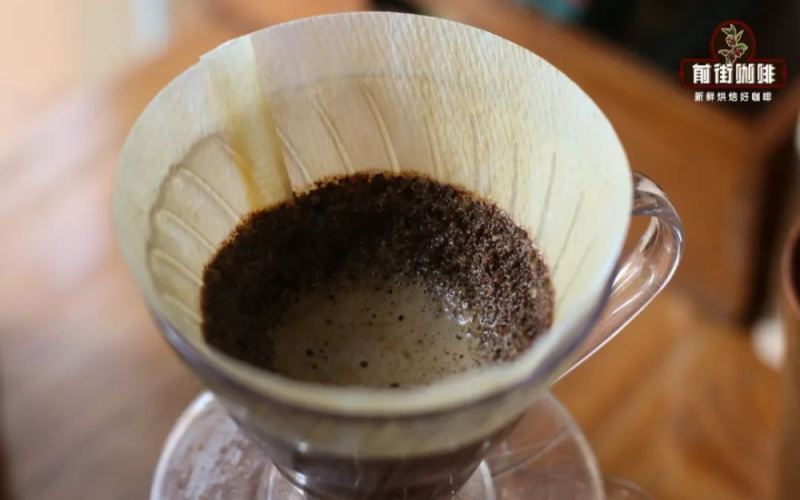
In the daily practice of pour-over coffee, many enthusiasts encounter a puzzling phenomenon: when brewing anaerobically processed coffee beans, the drawdown speed is noticeably faster than with regular washed or natural beans, and the extraction time can even be less than a minute and a half. What exactly causes this abnormal flow rate? Is it due to the inherent characteristics of the beans themselves, or is there a problem in the grinding stage? Starting from Front Street Coffee's actual measurement data, this article will take an in-depth look at how the loose texture and vigorous water absorption and degassing of anaerobic beans affect flow rate, and with the help of a comparison of the No. 20 sieve pass-through rate, reveal the deviation between the grinder setting and the actual coarseness of the particles. At the same time, the article will also provide targeted suggestions for adjusting the grind finer and a plan for adjusting the pouring technique, to help you steadily extract a rich, full-bodied cup of coffee even when dealing with anaerobic beans. [more…]
Pour-Over Coffee Grind Size 1-10 Explained: A Complete Guide to Coarseness Standards and Adjustment Methods
Grind size is the key variable that determines the success or failure of a cup of coffee's flavor. Facing the 1 to 10 settings on a grinder, which number actually represents the finest? And how should different brewing methods match grind coarseness? Starting from Front Street Coffee's hands-on experience, this article systematically sorts out the mechanisms by which grind size affects extraction efficiency, compares the grind standards for common brewing methods such as espresso, pour-over, siphon, and French press, and focuses on explaining grind recommendations for medium-light and medium-dark single-origin beans in pour-over scenarios, water temperature pairing, and how to use a 0.85mm No. 20 sieve to precisely calibrate grind size, helping coffee enthusiasts establish clear adjustment logic. [more…]
Coffee Grinder Brand Recommendations | Does a Larger Grind Setting on a Coffee Grinder Mean Finer Powder? Is There a Difference in Grind Size Between Strawberry Candy Geisha Blend and Golden Mandheling Coffee?
Coffee beans need to be freshly ground to fully appreciate their aroma, which shows how important grinding is for coffee beans. When grinding, many people have a misconception—namely, which setting they should choose. Generally, the largest number means a coarser grind, and the smallest number means a finer grind. However, every coffee machine, during assembly, transportation, and [more…]
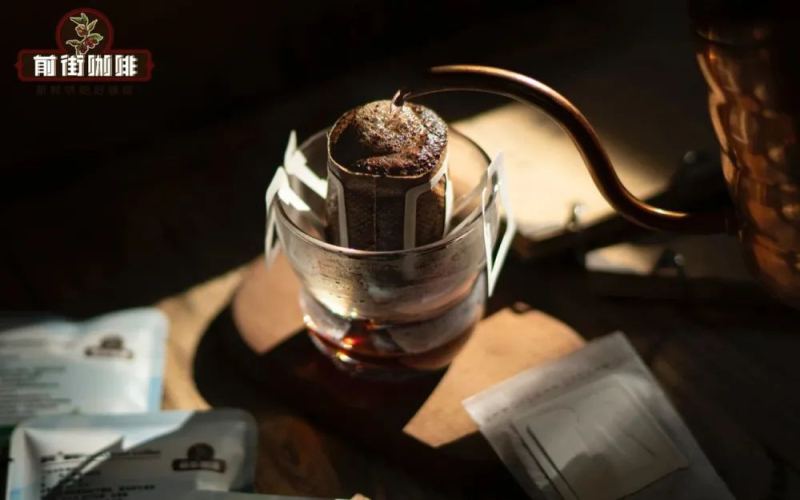
How to choose the grind size for pour-over coffee? How many grams of grounds should go into each homemade drip bag?
More and more people are starting to drink pour-over coffee, but busy daily life makes drip bags a compromise choice. Buying ready-made drip bags is convenient, but the aroma fades quickly; buying beans and grinding them fresh to make your own locks in more flavor and saves you from worrying about them going stale. This article is for friends who want to make their own drip bags at home. It first breaks down how coarse pour-over coffee beans should be ground—what sieve passing rates and EK43s and C40 settings correspond to light-medium roasts, medium-dark roasts, and dark-roast espresso beans—then uses Yirgacheffe Red Cherry as an example to demonstrate, and finally explains in three steps the 10g-per-packet portioning, sealing, and storage method, with reference to several Front Street Coffee drip bag flavor profiles. [more…]
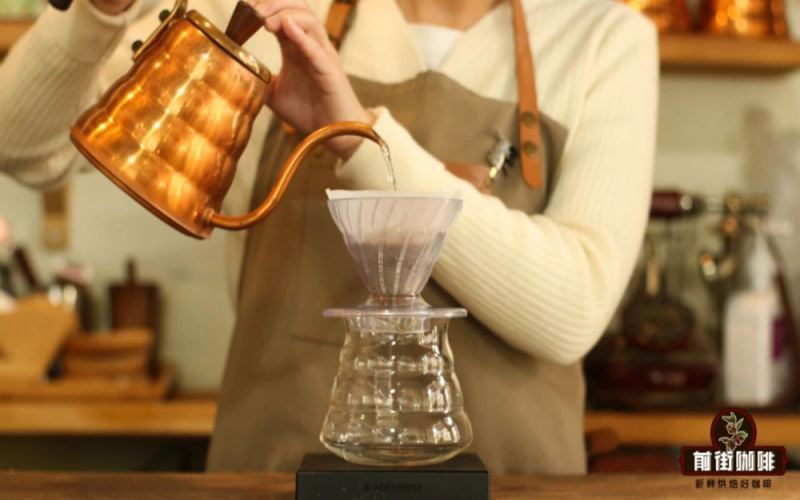
The Complete Guide to French Press Coffee Brewing: Parameter Settings and Detailed Differences from Pour-Over
For friends who find pour-over coffee difficult to master, Front Street suggests trying a different approach—give the French press a go. The biggest advantage of the French press is its simple operation; it doesn't require complex pour-over techniques. As long as you set a few core parameters, you can consistently make a good cup of coffee. This article covers grind size, coffee-to-water ratio, water temperature, steeping time, and specific operating steps, and also compares the fundamental differences in extraction logic between the French press and pour-over coffee, helping everyone understand why the French press is more beginner-friendly and adapts to a wider range of coffee beans. At the end of the article, there is also a hands-on demonstration using Front Street's Brazil Queen's Estate Yellow Bourbon, making it easy to practice along. [more…]
How to Determine Coffee Grind Size? Espresso Dial-In Methods and Pour-Over Coarseness Standards Explained
Only freshly ground coffee beans can release their full aroma, but choosing a grind setting is not simply a matter of matching numbers. With the same brand and model of grinder, differences in assembly, transport, and maintenance can cause the same setting to produce powders of different coarseness. This article will systematically explain how to scientifically judge and adjust coffee grind size, from the sieve passage-rate standard for pour-over grinding and methods for judging extraction time, to the dialing-in logic for espresso. Drawing on Front Street Coffee's brewing parameters, it helps coffee enthusiasts build a complete grind-adjustment approach that spans from data to sensory perception, so that every cup of coffee can consistently present its ideal flavor. [more…]
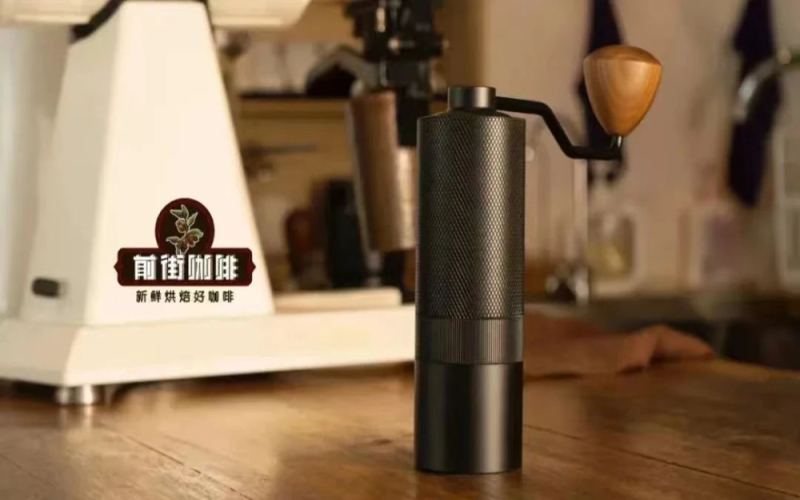
Coffee Grinder Settings Guide: Hand Grinder Disassembly and Pour-Over Grind Standards
Grind size is one of the core variables affecting coffee flavor. This article starts with the structure of a manual coffee grinder, gradually explaining how to disassemble it and adjust the grind adjustment screw, and, combined with the hands-on experience of Front Street Coffee, provides grind size standards for different brewing methods. At the same time, the article also shares a method for judging whether the grind is appropriate using a 0.80 mm standard sieve, as well as reference suggestions for pour-over parameters such as the coffee-to-water ratio, water temperature, and extraction time. Finally, using Panama Diamond Mountain coffee beans as an example, it demonstrates a complete three-stage brewing process to help readers put theory into daily practice. [more…]
Coffee Grind Size Comparison Guide: A Detailed Explanation of EK43s Grind Setting Particle Sizes and Sieve Pass-Through Rates
Grind size is the key variable that determines the direction of coffee flavor, but how coarse counts as coarse and how fine counts as fine has always lacked a unified standard. This article uses the industry-recognized cupping grind as a baseline, and with the help of the passing rate through a No. 20 standard sieve, quantifies the grind requirements for French press, pour-over, cold brew, ice drip, and even espresso machines one by one, and also includes reference settings for the EK43s grinder. The article also specifically reminds readers that differences in coffee bean density and roast level will cause the same setting to produce different particle sizes, and finally provides Front Street Coffee's espresso extraction plan as a debugging example to help enthusiasts turn grinding from an empirical judgment into a reproducible data-driven operation. [more…]